The Department of Performing Arts’ spirit of collaboration manifests in numerous interdisciplinary projects every year, professional partnerships in music and theater, and collaborations across faculty and students.
PostClassical Ensemble
The PostClassical Ensemble (PCE), a Washington, DC-based chamber orchestra, is proudly designated as the ensemble-in-residence at Georgetown University. Under the leadership of Music Director and Georgetown faculty member Angel Gil-Ordóñez, PCE comprises some of the region’s finest musicians and is celebrated for its creative programming that integrates classical music with historical and cultural narratives.
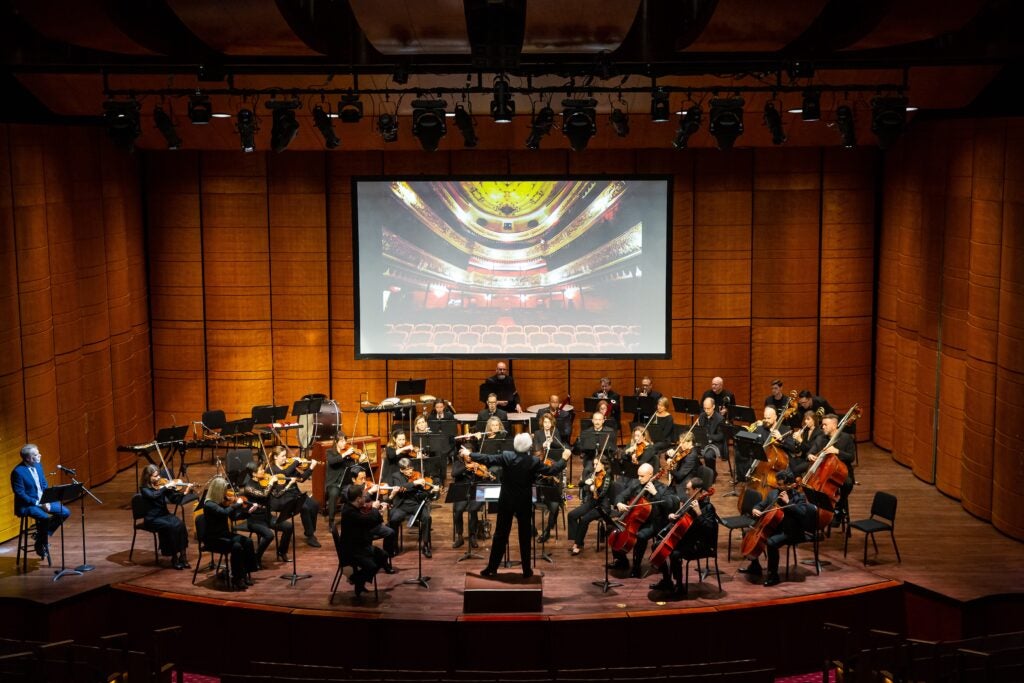
Georgetown music students benefit from PCE’s presence through orchestral and chamber coaching, masterclasses, workshops with visiting artists and composers, and educational outreach in DC-area schools. Students also gain real-world experience through administrative fellowships in education, production, development, and marketing. PCE’s frequent performances, including at Georgetown’s Friday Music Concert Series and the Kennedy Center, offer direct access to professional orchestral practices.
The 2025–2026 season includes three multimedia performances at the Kennedy Center’s Terrace Theater, each curated in collaboration with leading scholars and cultural partners:


- The Pale Blue Dot: A Musical Voyage Inspired by Nature (Nov. 19, 2025)
- Berlin in Lights: Cabaret, Jazz, and Radical Theater in Weimar Germany (Mar. 11, 2026)
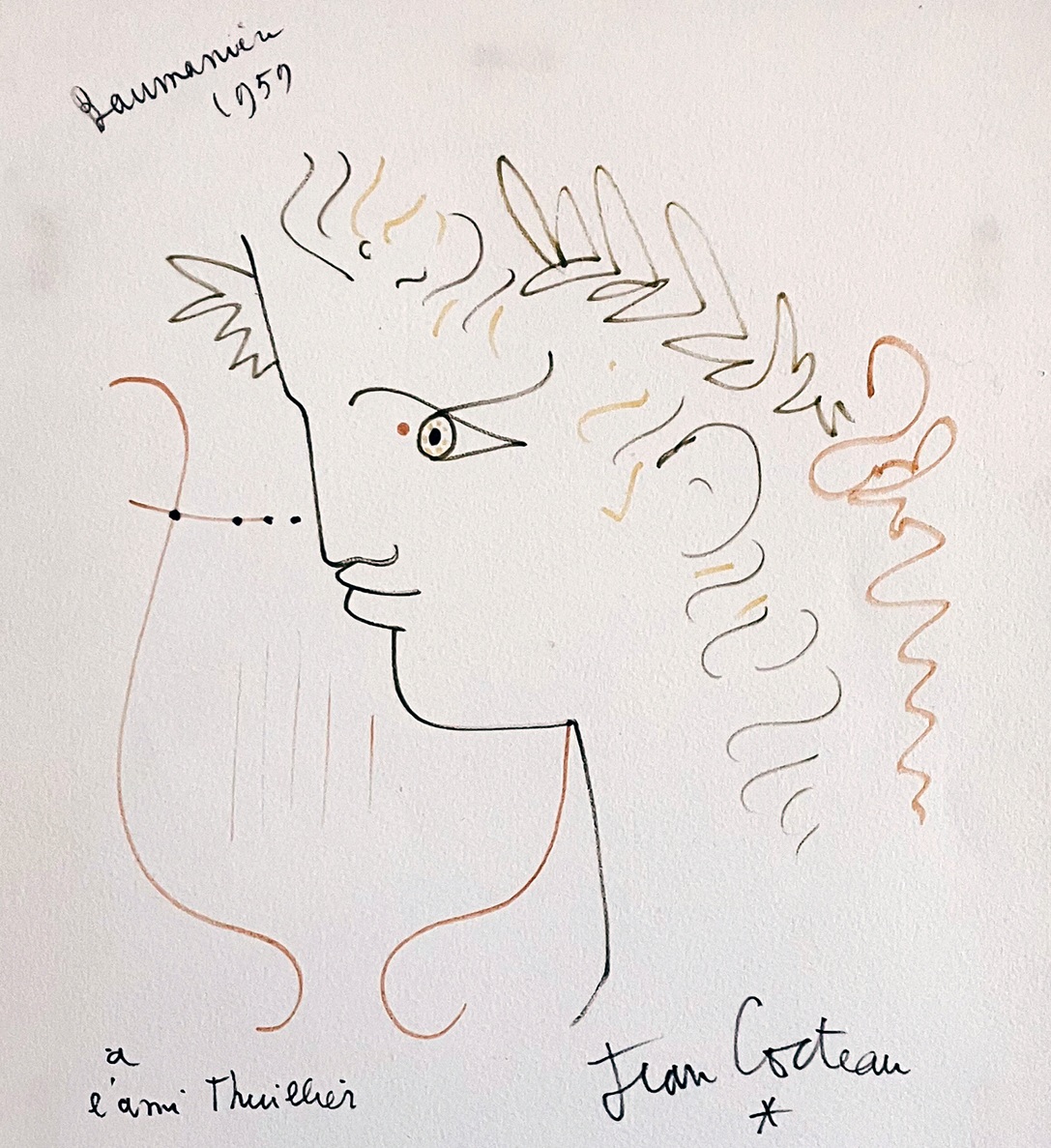
- Orpheus: The Magic of the Arts (May 20, 2026)
These performances explore themes ranging from ecological crisis to the cultural ferment of 1920s Berlin and the enduring myth of Orpheus. Learn more and purchase tickets.
Tuesday, May 26 2026 at 7:30pm | Johns Hopkins University Bloomberg Center
Orpheus: The Magic of the Arts
Curated by The Phillips Collection’s Director Emerita, Dorothy Kosinski, and in collaboration with the Johns Hopkins University Bloomberg Center, this multimedia concert reimagines the myth of Orpheus, exploring its influence across music, dance, and visual arts, with music by Gluck, Offenbach, Mahler, Stravinsky and more.
What is the enduring resonance of the myth of Orpheus from antiquity through the Renaissance and well into the 20th century, and in painting, sculpture, poetry, and music? This remarkable myth encompasses several dramatic moments – the supernatural power to enchant nature, the remarkable capacity to breach the Underworld in search of the beloved, the anguish of love lost, and the endurance of song beyond death itself. The myth holds the deepest most human fear of death and loss, as well as the powerful aspiration and hope in the transcendent enduring power of art.
Christoph Willibald Gluck’s achingly beautiful solo beseeching, “What will I do without Eurydice?” captures Orpheus’s heartbreak. In wild contrast a century later, 1858, Jacques Offenbach lampoons the mythic love story with an over-the-top parody that trivializes the mythic drama by depicting the poet as happy to be rid of Eurydice. Offenbach’s opéra bouffe is supercharged with the galop inferno dance that evolves into the can-can of popular dance halls at the end of the century.
Increasingly 19th- and 20th-century poets, painters, and composers turned from the love story to embrace the fundamental symbolism of the myth – Orpheus harbinger of civilization, archetypal artist, artist-priest. Narrative is pushed aside in favor of pure transcendent form, with non-representational music as the paradigm of this new art. “There rose a tree. O pure transcendency / O Orpheus singing! O tall tree in the ear! (Rilke Sonnet to Orpheus, I).
Music Policy Forum

The Music Policy Forum (MPF), founded by Georgetown alumnus Michael Bracy (CAS ’90), is a dynamic non-profit leadership network that promotes collaboration among musicians, music businesses, government officials, non-profits, researchers, and philanthropists to develop strong, equitable, and sustainable music ecosystems through innovative policies and models. Since its inception in 2017, MPF has been closely connected with Georgetown University, providing rich opportunities for public conferences and convenings, especially the Music Industry Seminar. This seminar is a cornerstone of MPF’s educational initiatives at Georgetown, offering students and faculty deep insights into the music industry through direct access to a vast network of leaders.
Additionally, MPF co-sponsors the annual Music Ecosystem Forum at Georgetown University, a major event that gathers diverse stakeholders to discuss strategies for advancing music ecosystems. This forum facilitates dialogue on critical issues such as equity, sustainability, and the future of musical labor, combining academic research with practical industry insights. Through these initiatives, including the Music Industry Seminar and the Music Ecosystem Forum, Georgetown’s Department of Music and MPF collaborate to integrate scholarly perspectives with real-world practices, enriching the educational landscape and contributing to the ongoing discourse in music policy.